Modernization in Insurance – Reinventing Legacy Systems
Jul 31, 2024
Brief summary: Today, digital transformation is at the heart of every industry, and insurance is no different. However, why do insurers need help to incorporate this digital revolution into their operations? What challenges do they face in modernizing legacy systems? What best practices can they follow to revamp their applications? Let’s explore this in this blog.
The Challenge of Legacy Systems
Insurance companies battle with outdated, rigid systems that may hinder their digital transformation. These legacy systems are not only costly to maintain but also sometimes fail to keep up with technological advancements. Furthermore, they struggle to integrate with modern insurtech solutions and third-party systems, creating significant operational challenges. Here are a few challenges in detail:
Evolving Regulations
The insurance industry constantly faces new regulations, from capital requirements to climate change impacts, complicating compliance. Flexible systems are crucial to quickly adapt to these evolving regulations.
Siloed Data
Legacy systems struggle with integrating modern systems, hindering the sharing of critical information. Modern infrastructure facilitates seamless integration and data accessibility.
Compromised Security
Outdated IT systems are vulnerable to cyber-attacks due to lacking the latest security measures. Modernized infrastructure with advanced cybersecurity technologies enhances data protection and company-wide security practices.
Evolving Customer Expectations
Consumers expect convenience and tech-driven experiences, pushing insurers to adopt modern systems. Legacy systems fall short, but modernized applications offer the needed speed and flexibility.
Claims Processing
Quick quote generation is essential for sales, requiring modern technologies like AI. Automating claims processing speeds up digitization, enhancing customer satisfaction and engagement.
Why do you Need to Consider Modernization?
Insurance businesses leverage advanced technologies to stay ahead of the competitive curve, making modernizing legacy applications essential. This modernization enhances client engagement, improves consumer experience, and boosts sales.
Globally, insurance organizations are updating legacy systems and core processes to develop new capabilities and streamline operations. According to a report, 71% of insurers are currently undergoing modernization.
Let’s quickly go through the top reasons for enacting modernization and its major benefits.
| Benefit | Description |
|---|---|
| Enhanced Claims Processing Performance | Modernizing a legacy system can enhance its speed, reliability, and responsiveness, resulting in quicker and more efficient policy processing, claims management, and customer service. |
| Advanced Underwriting and Policy Management | By adding new features and capabilities, modernization can help a legacy system better meet the evolving needs of policyholders, underwriters, and agents. |
| Seamless System Integration | Modernization can facilitate smoother integration with other insurance systems, platforms, and third-party data providers, reducing manual data entry and improving data accuracy. |
| Scalability for Growing Policy Volumes | A modernized system can efficiently handle growing volumes of policies, claims, and customer interactions, supporting business expansion and the ability to serve more policyholders. |
| Enhanced Data Security | Modernization can address security vulnerabilities and enhance protection against cyber threats, safeguarding sensitive customer and business data from breaches and fraud. |
| Regulatory Compliance Assurance | A modernized system can more effectively comply with changing regulatory requirements and industry standards, reducing the risk of penalties and maintaining the company’s reputation. |
| Lower Maintenance Costs | By automating processes and reducing the need for manual intervention, modernization can lower ongoing maintenance costs and increase the efficiency of IT operations. |
| Agility in Responding to Market Changes | A modernized system enables the business to adapt more quickly to changes in the insurance market, new regulations, and evolving customer expectations, enhancing competitiveness. |
| Improved Policyholder and Agent Experience | Modernization can improve the user experience for both employees and policyholders, leading to higher satisfaction, loyalty, and retention rates. |
Modernization in Insurance Industry
In recent years, modernizing legacy systems has become essential for organizations, transforming operations, marketing, and distribution processes to digital platforms. The insurance sector, in particular, has introduced various services and platforms to stay competitive. However, the rapid evolution of trends and shifting consumer preferences necessitate continuous innovation for insurers. Key motivations for prioritizing modernization in the insurance industry include:
Competing with nimble startups:
- Startups are unburdened by outdated systems.
- They offer users a seamless digital experience.
Improving customer lifecycle enhancements:
- 80% of executives highlight that inadequate data capabilities impede these enhancements.
6 Best Practices for Legacy Systems Modernization
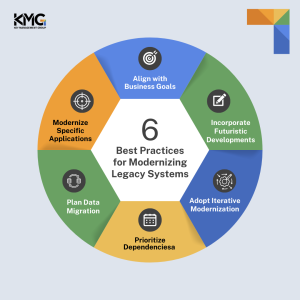
- Align with Business Goals: Replace legacy systems strategically, focusing on smooth transitions and enhanced operations.
- Incorporate Futuristic Developments: Plan for long-term transformation with a strategic approach.
- Adopt Iterative Modernization: Modernize systems systematically to avoid business disruption and high costs.
- Modernize Specific Applications: Evaluate and update applications individually based on their unique needs.
- Prioritize Dependencies: Map out system dependencies to avoid disruptions during modernization.
- Plan Data Migration: Develop a clear strategy for transferring data to new systems, ensuring accuracy and organization.
Conclusion
Insurance companies must adapt to the digital landscape by modernizing their legacy systems. This transformation enhances efficiency, customer-centricity, and innovation, enabling insurers to meet evolving consumer demands and market conditions. By integrating advanced technologies with existing data, insurers can make data-driven decisions and thrive in a rapidly changing industry.
At Key Management Group, we recognize the significance of legacy systems and offer tailored modernization solutions that align with your business objectives and budget. Our expertise ensures seamless data migration and integration into your new infrastructure, providing a smooth transition and optimized performance.
Get Started with KMG!
Embrace core system modernization to achieve a digitally thriving business. Contact us to partner with professionals who can help you modernize your insurance business.
FAQs
Why should insurers prioritize legacy system modernization?
Modernizing legacy systems enhances operational efficiency, improves customer experiences, and increases revenue, making it a strategic priority for insurers aiming to stay competitive.
What are the first steps an insurance company should take towards legacy system modernization?
The first steps include conducting a comprehensive assessment of current systems, identifying critical pain points, and setting clear modernization goals aligned with business objectives. Engaging stakeholders and top leadership early in the process, and planning an iterative modernization strategy can also ensure a smooth transition.